

Anticipatory Grief
A couple months ago I posted on my Facebook page for people to send me suggestions for my Scarred Joy blog. I received a great one from a writer friend, Sally Meadows. Here is what Sally had to say.
“Having experienced it myself a couple of years ago, I would like to see a blog about “anticipatory grief”–when you start grieving about something/someone sometimes long before it might happen. You just know it down in your soul that something/someone is going to end/leave…it could be a relationship, a job you love, or perhaps someone is dying. Have you had experience with that, Alan?”
In this post I will give a definition of “anticipatory grief,” unpack it a bit, then offer a short story to illustrate this grief.
Here is a definition of anticipatory grief from the writing one of the main people I turn to as a resource for issues regarding grief.
“Anticipatory grief” is a term that referred to the grief felt about someone with a life-limiting illness; friends, family, and caregivers felt it in anticipation of an eventual death. We now understand anticipatory grief or what Dr. Rando, a prominent grief therapist and author, prefers—anticipatory mourning—as a reaction to all the losses experienced in an illness.” (“Grief, Loss, and Caregiving”, Kenneth Doka, page 200, Caregiving and Loss: Family Needs, Professional Responses, Edited by Ken Doka and Joyce D. Davidson, Hospice Foundation of America, 2001.)
Notice the progressive step in defining anticipatory grief. It has been used to refer to grief associated with feelings family, friends, etc. experience related to a loved one’s eventual death. The definition has been expanded to where it includes grief expressed over all the different losses a person experiences in the context of an illness, not just the grief due to impending death.
In “anticipatory grief” we mourn plans that will never come to pass. Grieving that this past Christmas was the last one to be celebrated with your loved one. There may be a loss of living “at home” and now being confined to a care facility. A primary caregiver or family members may be trying to imagine what life will be like after the death of their loved one.
Some people may experience anticipatory grief on a deeper level than the death of their loved one. Such things as when our ill loved one loses the ability to speak. This may be accompanied with a number of issues adding to one’s suffering. The sick person and family members may be frustrated as to how to now communicate with each other. The possibilities of having meaningful conversations with the loved one are now remote.
Family members may grieve times together that will never be. The holidays they wanted to plan, the special celebrations they wanted to enjoy, die with the loved one. Vacations will never be the same without the loved one. This is what Dr. Ken Doka refers to as a loss of the “assumptive world” (Doka, page 200). The life together they hoped for will never be realized. All of one’s life is altered with the death.
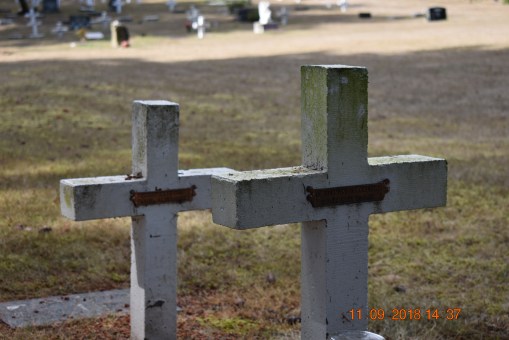
A Story of Jim and June (not their real names): An Illustration of Anticipatory Grief
Jim and June were looking forward to putting their plans in action as soon as he retired. For the past five years they had planned a road trip in their RV to drive all over Canada and the United States. It would be a trip of a lifetime. Jim worked a couple years longer than he intended but now the time had come. Working longer allowed them to save enough money to pay for their RV in cash.
After retirement they were both excited at the prospect of putting their travel plans into action! The RV was insured and they had mapped out the route for their trip. They gave copies of their plans to their children so the kids could know estimations as to when they would be at certain places on their trip.
It was soon after Jim’s retirement that June began to not be feeling well. After some coaxing Jim convinced her to make a doctor appointment. He accompanied her to see the doc and it was good he did. After his initial assessment the doctor referred June to an oncologist. The result of the oncologist’s examination was conclusive. June had pancreatic cancer. To make matters worse the cancer was spreading to the point the oncologist was not hopeful June would recover.
As time progressed so did the cancer. The plans June and Jim had for travelling gave way to doctor appointments. In fact, they decided to only have short trips on the occasional weekend. June couldn’t face being away from home for too long. As she became weaker from cancer treatments as well as the illness Jim and June decided to sell their RV. The dream of travelling around North America was shattered.
The couple would have quiet moments at home where they would talk about their lives together. The cancer was slowing June down to the point that even short walks with Jim around their neighbourhood were too much. She bemoaned the reality that she was dying.
Jim recognized he was experiencing a profound sense of grief at the prospect of losing June. It would keep him awake at night. He would have periods during the day that he would cry at the thought of life without June. He may be doing something like puttering in their back yard but his thoughts were consumed by June’s illness. One time, he went into his workshop just to be alone as he cried bitter tears. He didn’t know if he was crying because of June’s cancer or his own grief. Life wasn’t the same anymore and he dreaded what it would be like after June died.
Anticipatory grief is real and common when things take a major turn in life. It is something you may have experienced. If not, you will.
Perhaps you are experiencing anticipatory grief right now. You don’t have to be alone in this part of your grief journey. Please feel free to share some of your thoughts with me if you like.
Love your life as much as you can. Put aside the petty things that really don’t matter. Be happy rather than always wanting to be right. Remember to never take life for granted.
Until next time, bless you all.















 ScarredJoy